
Beef: appropriate amount
Self-rising flour: appropriate amount
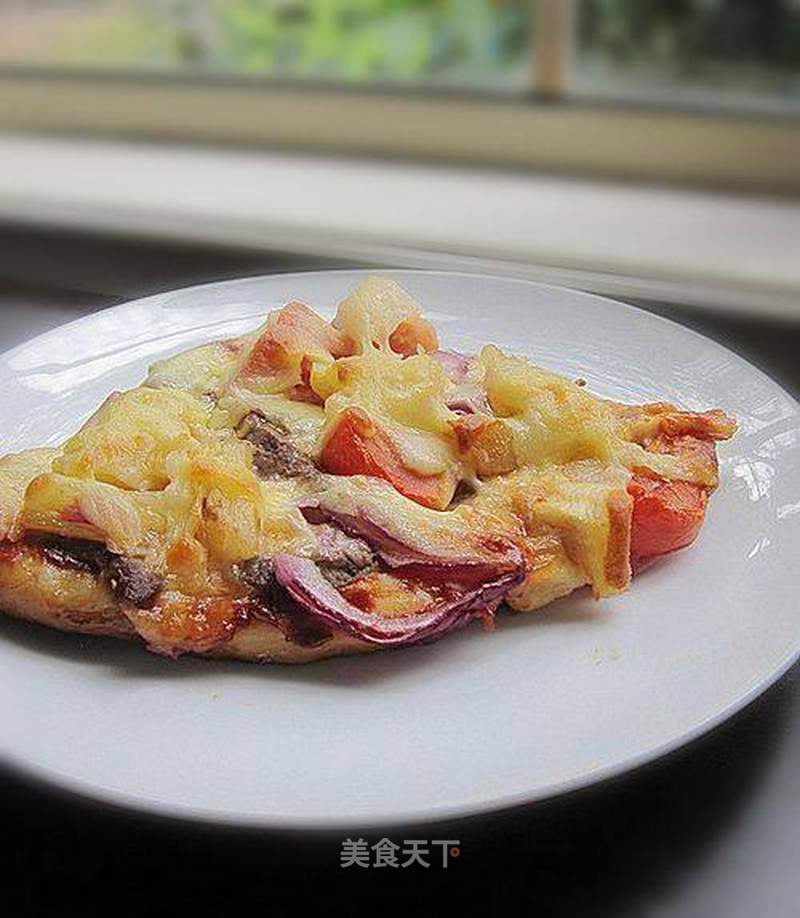
6. After the dough has risen, place it on a work surface and flatten it into a round shape. 7. Pour a small amount of olive oil into the pizza pan and spread it evenly. 8. Place the flattened round dough into the pizza pan. 9. Spread an appropriate amount of tomato sauce over the dough. 10. Add a layer of cheese. 11. Evenly arrange the pre-cooked beef on top. 12. Add the chopped onions and tomatoes. 13. Place the diced pineapple on top. 14. Finally, add another layer of cheese. 15. Set the oven to 200°C and bake for 25 minutes. 16. Remove from the oven, cut into slices, and serve.
A unique and flavorful alternative to traditional pizza, Turkish Fruit Pizza is a savory-sweet dish that combines a crispy thin crust with a medley of fresh fruits such as figs, apricots, and pomegranate seeds. The base is typically brushed with olive oil, seasoned with oregano and sumac, then layered with mozzarella or feta cheese for a creamy contrast. Topped with thinly sliced apples, grapes, or dried fruits, it is baked until the cheese melts and the fruits caramelize slightly. This dish is often served as an appetizer or light main course, offering a refreshing taste of Mediterranean cuisine.
Getting the Topping Right
Two toppings decide this pizza: the beef and the pineapple. Sear the marinated beef only until it is just cooked, because it bakes again for 25 minutes at 200°C (about 390°F) and twice-cooked beef turns dry. For the pineapple, dice it small and press the pieces between paper towels. Pineapple juice pools in the middle of a pizza, and its sugars catch and burn at the edges long before the crust is done.
Easy Swaps
- Not a fan of sweet pizza? Trade the pineapple for sliced bell pepper and keep everything else exactly the same.
- A pinch of chili flakes over the final cheese layer balances the pineapple’s sweetness if you would rather keep it.
- Diced chicken thigh works in place of beef; just keep the soy, sugar and cornstarch marinade, which gives any meat a glossy finish in the pan.
Two Common Questions
Does it have to be self-rising flour? For this version, yes. It already contains the leavening, which is why the dough needs only the single one-hour rise. Plain flour would leave you with a dense base unless you add baking powder yourself.
Can the dough wait until tomorrow? Yes. Knead it, rub the surface with a little oil, cover the bowl and refrigerate it. The cold slows the rise overnight, and the dough should come back to room temperature before you flatten it into the pan.

